A Human-Centered Approach
The workplace impacts well-being, productivity,
and engagement, especially as employees
navigate sensory-rich settings. Sensory design
is crucial yet often neglected. It shapes how we
interact with our surroundings and form social
bonds.
Individual sensory responses affect how we feel
and perform at work. It's important to
acknowledge the varied ways people process
sensory inputs to create workspaces that
promote productivity and well-being,
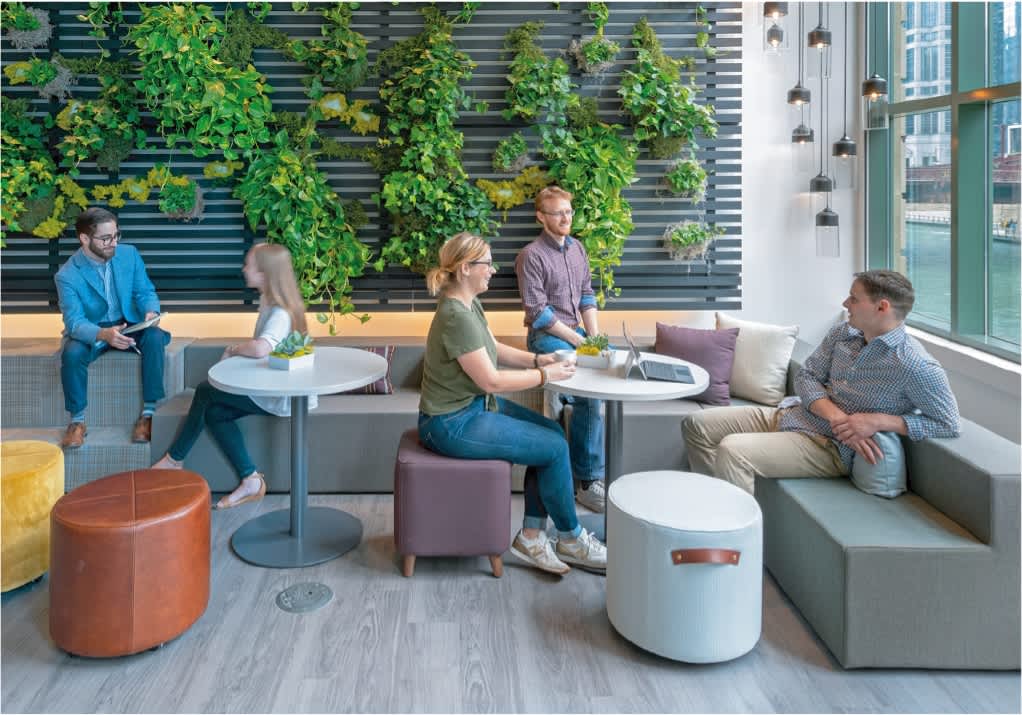
addressing distinct needs. By focusing on a
human-centered design, we can select factors
like sound, texture, and visuals with intention to
enhance the workplace experience.
Embracing Neurodiversity
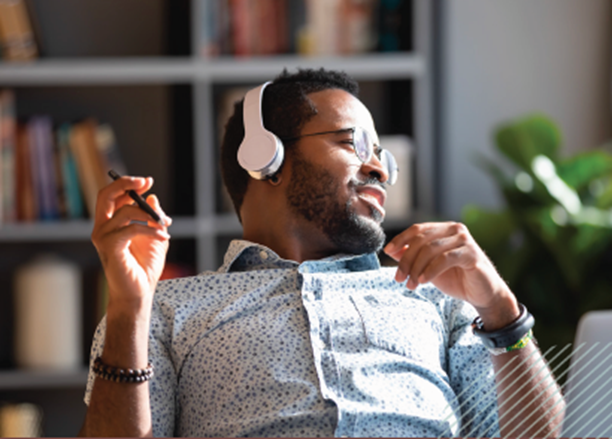
Understanding neurodiversity in sensory responses is key, making it essential to provide diverse workspaces for different preferences and sensitivities. A thoughtfully designed workplace offers various settings to support focus, comfort, and mental well-being, enabling employees to choose spaces that match their needs, fostering inclusivity and a sense of belonging.
Beyond a Single Solution
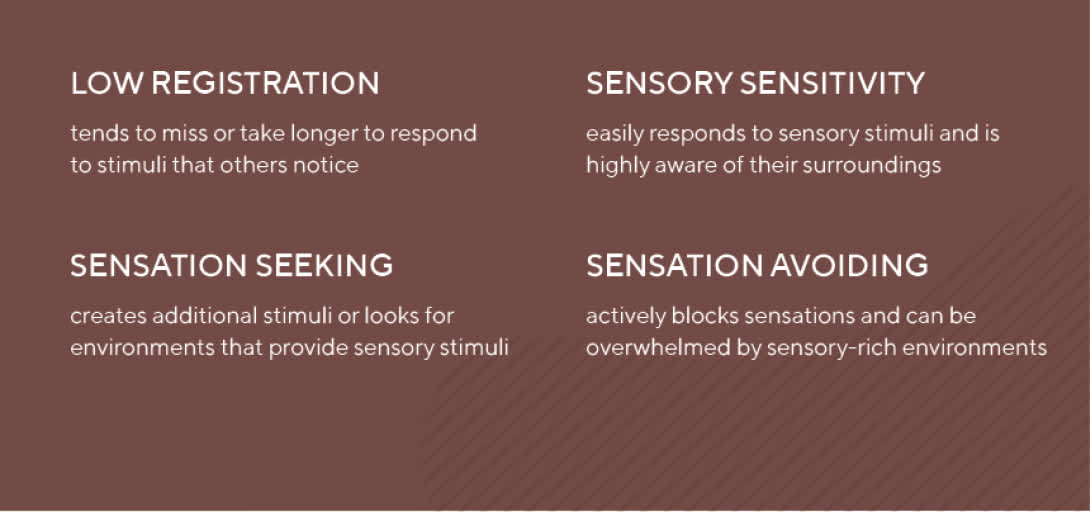
Our research utilized a sensory profile scale assessing how research participants tend to respond to stimuli such as sound, vision, and touch in their environment.
Sensory Design Considerations
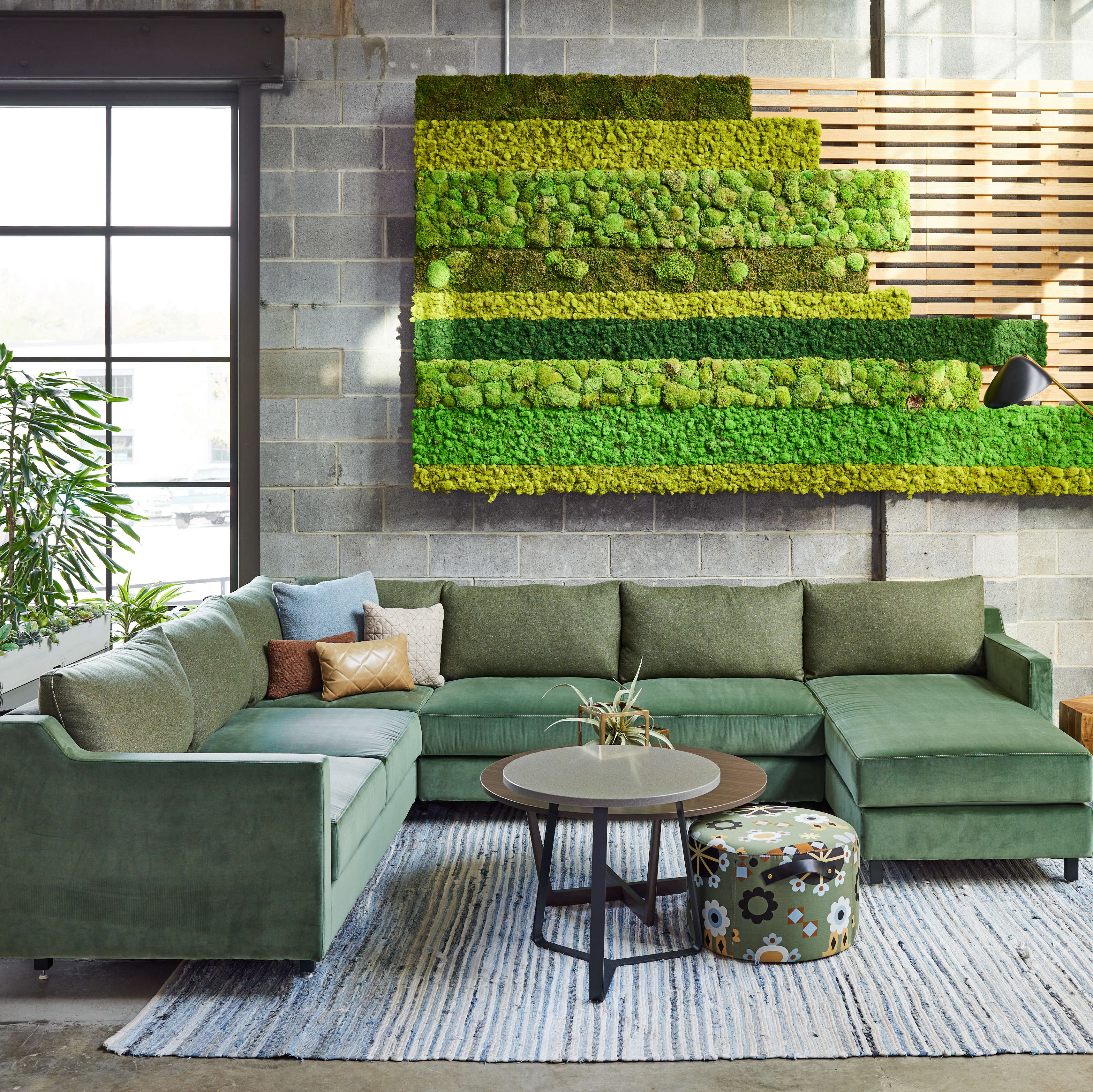
Sensory design components, like atmospheric sound, privacy, lighting, biophilic elements, and ergonomic furnishings enhance workers’ belonging when tailored to personal preferences. Choices in color and intensity can make a space feel more welcoming or creatively stimulating, impacting mood and productivity.
Acoustics
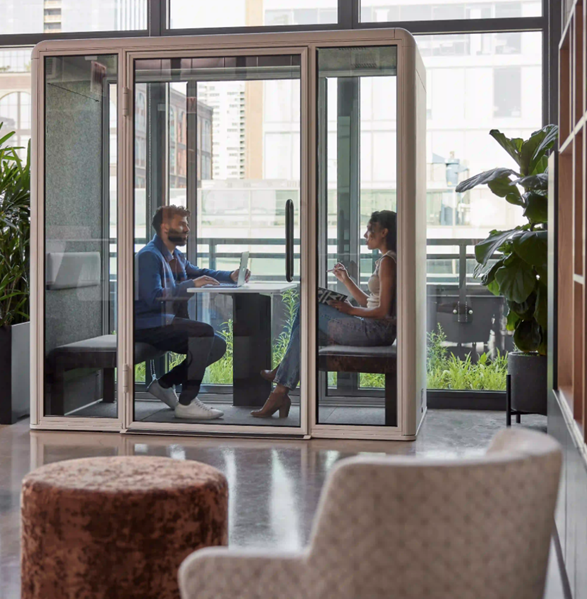
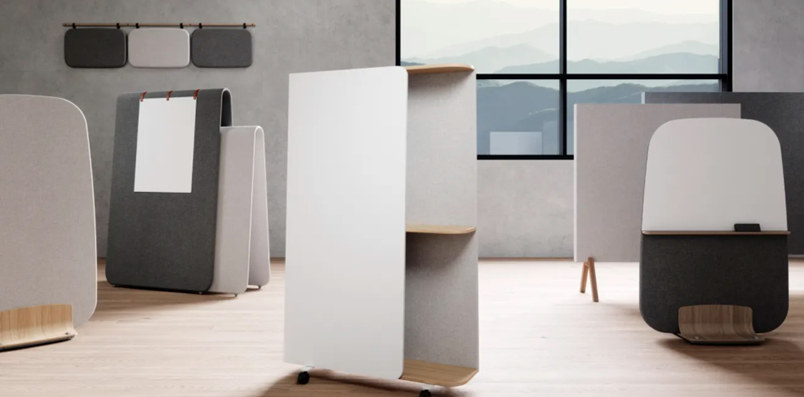
Sound can be a distraction and elevate stress levels. A thoughtful acoustic mitigation plan can lead to a healthier, more engaged, high-performance workforce.
66%
decrease in workplace productivity is attributed to noise distractions.
Source: World Green Building Council (WGBC), Impact Report, 2014
Product Recommendations




Layout
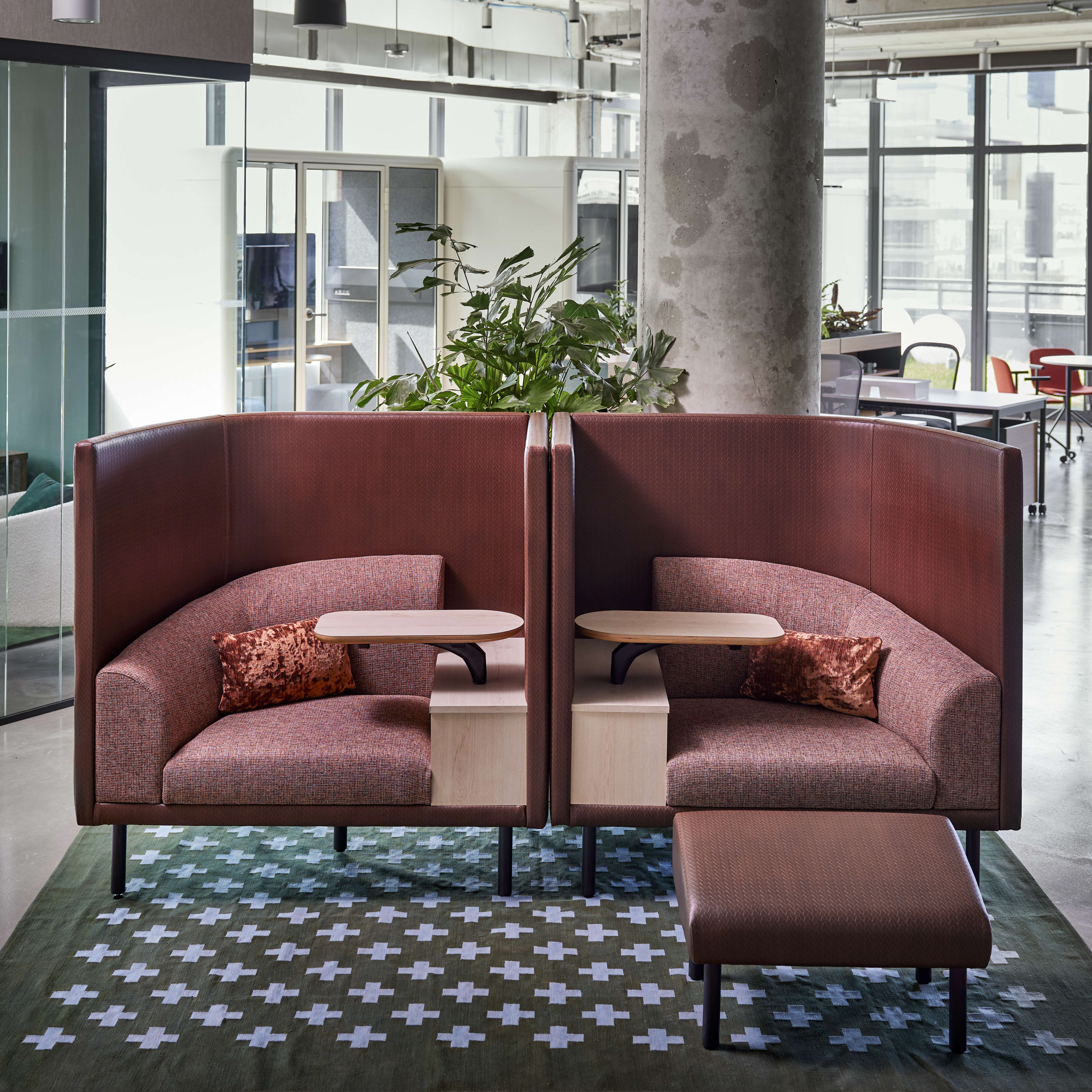
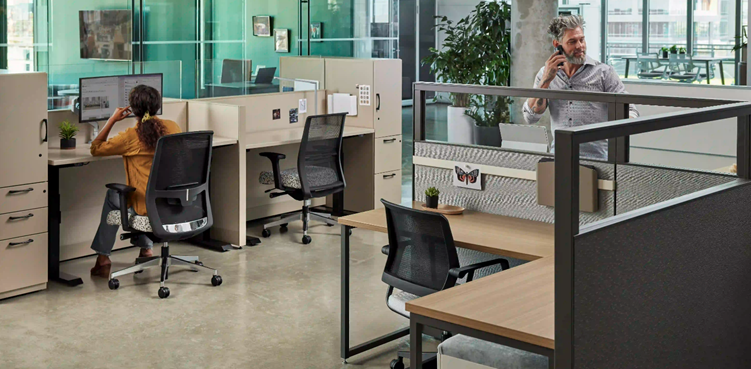
Workplace designs that accommodate privacy preferences and embrace worker choice benefit from a more engaged and effective workforce.
50%
of workers want total privacy while working on their computer.
Source: Kimball International, Workplace Assessment on Culture & Belonging, 2023
Product Recommendations


Textures, Hues, and Shapes
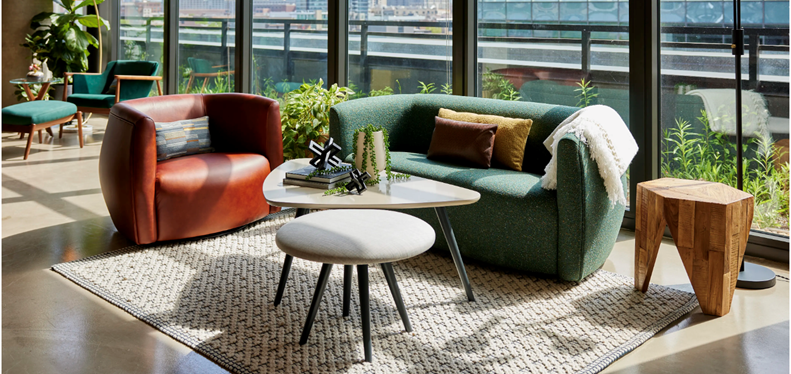
Sensory experiences like color, texture, and pattern can significantly impact a sense of belonging. It’s important to consider materials that are functional, inviting, and evoke comfort.
75%
of knowledge comes to us visually, 13% through hearing, and 12% through smell, taste, and touch.
Source: Sensory Theory by Laird, 1985
Surface Materials Collection


Biophilic Elements
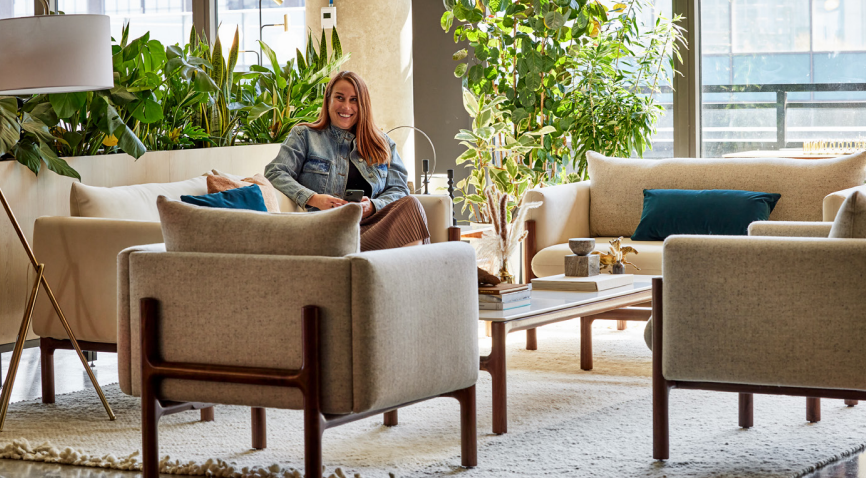
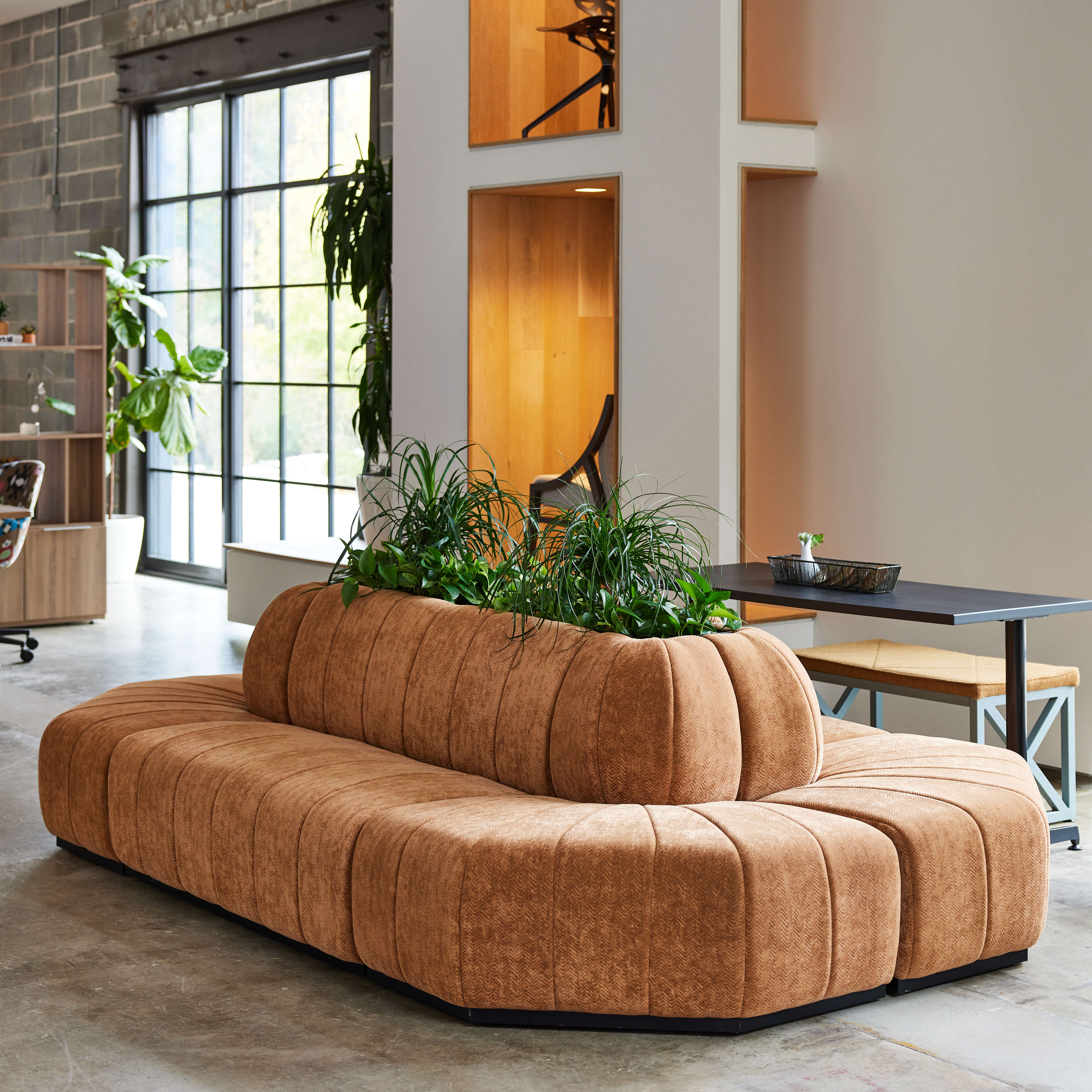
Enhancing well-being and fostering creativity are essential goals of biophilic design. This approach involves seamlessly integrating nature-inspired elements into spaces, promoting a connection with the natural environment.
15%
increase in overall well-being and productivity can be achieved through biophilic design.
Source: Robertson Cooper, Human Spaces: The Global Impact of Biophilic Design in the Workplace, 2015
Product Recommendations


Adjustable Lighting
Effective daylighting and adjustable lighting in indoor environments are essential for maintaining circadian alignment, promoting health, and supporting emotional and behavioral well-being.
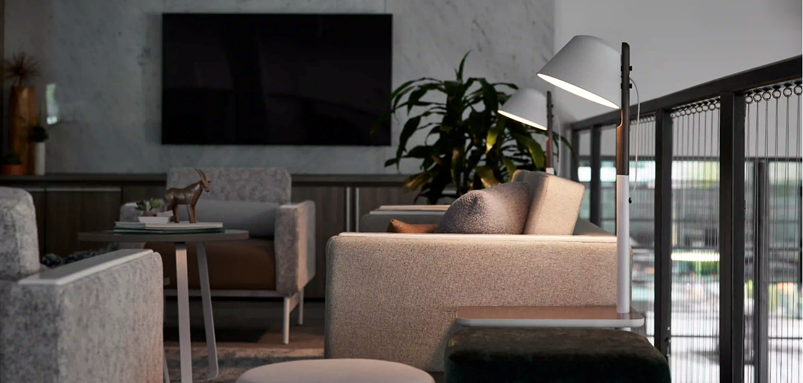
90%
of people’s time is spent indoors.
Source: Nagare, Rohan et al., Access to Daylight at Home Improves Circadian Alignment, Sleep, and Mental Health in Healthy Adults: A Crossover Study, 2021
Product Recommendations



Visual Landscapes
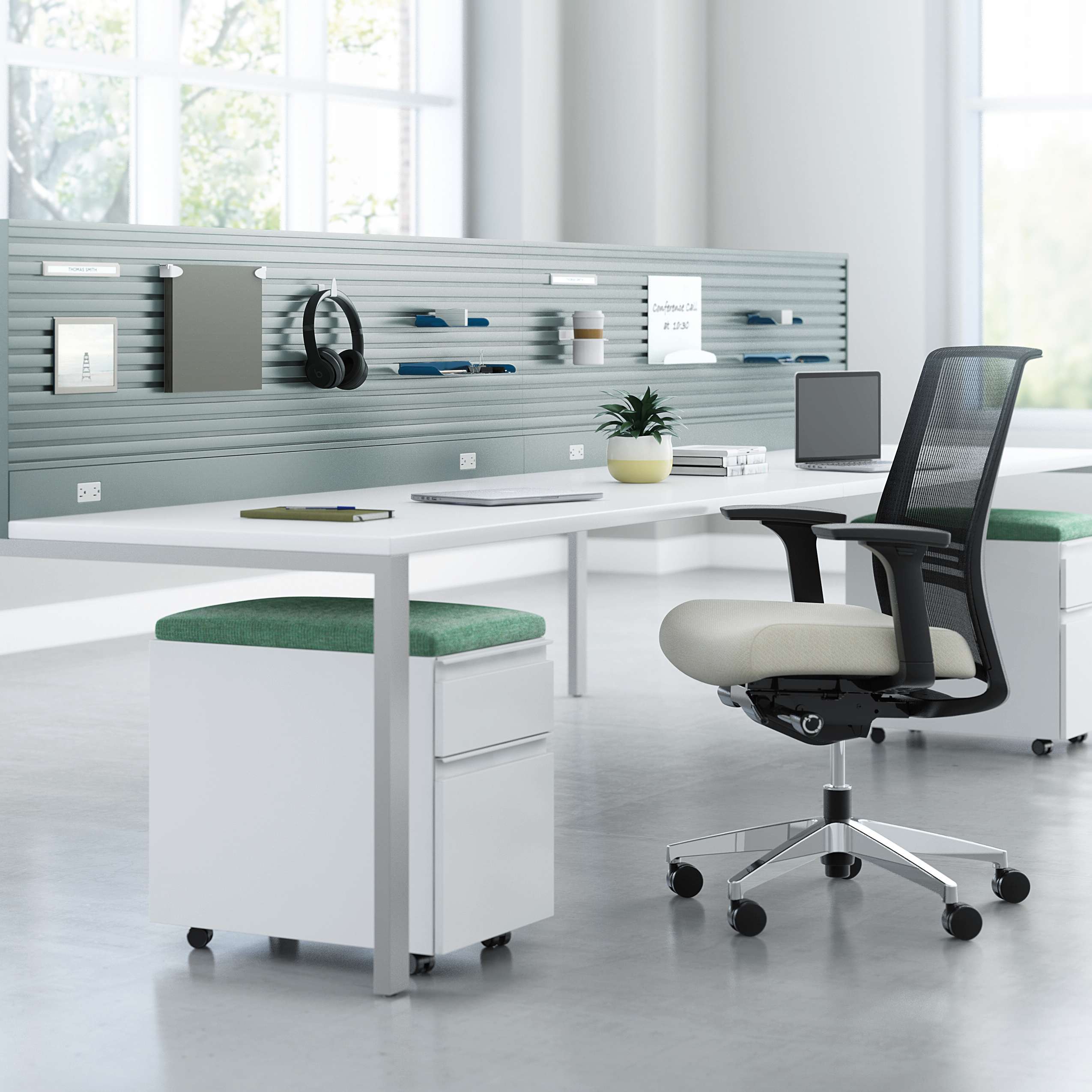
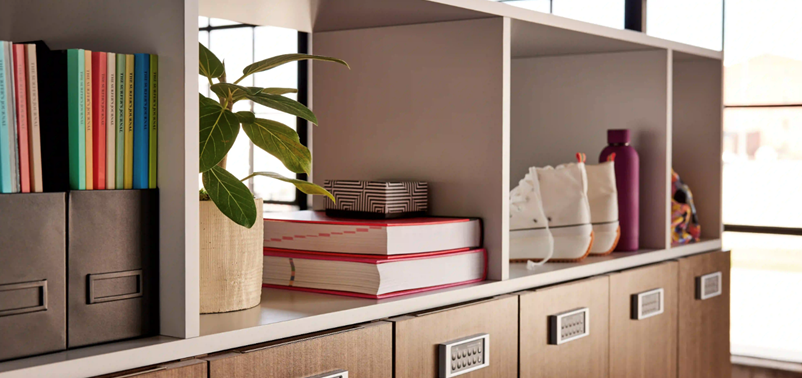
Clutter can hinder the ability to accurately perceive emotions and focus on tasks. Providing opportunities for personal storage can mitigate clutter and improve feelings of safety in shared spaces.
10%
increase in the amount of time it took for people to answer questions while seated at a messy desk compared to a neatly arranged desk.
Source: Chae, B. & Zhu, R., Environmental Disorder Leads to Self-Regulatory Failure, 2014
Product Recommendations